
Tag Archives: Islam

The Significance of Eid al-Fitr and Eid al-Adha

Eid al-Fitr and Eid al-Adha are two major Islamic festivals that hold a special place in the religious and cultural lives of Muslims. These occasions not only reflect religious beliefs but also foster brotherhood, love, and unity among Muslims. This article delves into the significance of both Eid celebrations and their religious and social aspects.

The Importance of Eid al-Fitr

Eid al-Fitr is celebrated at the end of the holy month of Ramadan. It is a joyous festival marking the culmination of a month of fasting, worship, and sacrifice.

Religious Importance:

  1. Gratitude: Eid al-Fitr provides an opportunity to express gratitude to Allah for granting Muslims the strength to observe Ramadan.
  2. Zakat al-Fitr: The celebration begins with the payment of Zakat al-Fitr, a form of charity aimed at including the less fortunate in the festivities.
  3. Worship: The day of Eid starts with a special congregational prayer, highlighting the greatness and blessings of Allah.

Social Importance:

  1. Happiness and Joy: Eid al-Fitr is a time to share happiness and spend quality time with family and friends.
  2. Brotherhood: On this day, Muslims greet one another warmly, exchange gifts, and strengthen bonds of brotherhood and unity.

The Importance of Eid al-Adha

Eid al-Adha is celebrated at the conclusion of the Hajj pilgrimage and commemorates the sacrifice of Prophet Ibrahim (AS). On this day, Muslims perform Qurbani (animal sacrifice) as an act of obedience to Allah.

Religious Importance:

  1. Sacrifice: The ritual of Qurbani symbolizes devotion to Allah and reflects the spirit of sacrifice demonstrated by Prophet Ibrahim (AS).
  2. Piety: The primary goal of Qurbani is to attain piety and closeness to Allah, as stated in the Quran: “It is neither their meat nor their blood that reaches Allah, but it is piety from you that reaches Him” (Surah Al-Hajj: 37).
  3. Collective Worship: Muslims gather to perform the special Eid prayer, showcasing unity and solidarity.

Social Importance:

  1. Helping the Needy: The meat from the sacrifice is distributed in three parts—one for the family, one for relatives, and one for the needy. This ensures that everyone can partake in the celebration.
  2. Strengthening Bonds: Eid al-Adha brings families and communities together, fostering love and connection.

Common Aspects of Both Eids

  1. Spiritual Growth: Both Eids provide an opportunity for Muslims to strengthen their relationship with Allah and grow spiritually.
  2. Social Harmony: These festivals bring Muslims together, promoting unity, love, and compassion.
  3. Lesson of Brotherhood: On both occasions, there is a strong emphasis on helping the less fortunate and sharing the joys of life.

Conclusion

Eid al-Fitr and Eid al-Adha are not merely religious observances but also serve as vital opportunities to nurture social harmony, love, and generosity. They remind Muslims to lead lives aligned with the principles of Islam while contributing to the well-being of their communities. By observing these festivals, Muslims can create a society based on mutual respect, kindness, and peace.
The Miraculous Benefits of Surah Yasin: A Quranic Gem

Surah Yasin, a revered chapter in the Quran, holds a special place in the hearts of Muslims worldwide. Often referred to as the “heart of the Quran,” it is believed to possess miraculous benefits that extend to both spiritual and physical well-being.

This article delves into the profound advantages of reciting Surah Yasin and explores the reasons behind its immense popularity.

Spiritual Benefits

  • Inner Peace and Tranquility: Reciting Surah Yasin is said to calm the mind and heart, fostering a sense of inner peace and tranquility. The soothing verses can alleviate anxiety and stress, promoting emotional well-being.
  • Spiritual Upliftment: The profound wisdom and guidance contained within Surah Yasin can uplift the spirit and inspire a deeper connection with God. It serves as a source of inspiration and motivation, helping individuals to overcome challenges and maintain a positive outlook.
  • Divine Guidance: Surah Yasin is believed to impart divine guidance and wisdom. By reciting this chapter, individuals may seek clarity and direction in their lives, making informed decisions and aligning their actions with God’s will.

Physical Benefits

  • Healing and Recovery: Many Muslims believe that reciting Surah Yasin can have a positive impact on physical health. It is said to possess healing properties that can aid in recovery from illnesses and alleviate pain.
  • Protection from Harm: Some believe that Surah Yasin can act as a shield against negative energy and harm. It is often recited for protection from evil forces and to ward off misfortune.
  • Improved Well-being: By promoting inner peace and spiritual well-being, Surah Yasin can indirectly contribute to overall physical health. A calm and balanced mind can lead to better health outcomes and reduced susceptibility to illness.

How to Recite Surah Yasin Effectively

  • Purity of Intention: Approach the recitation with a pure heart and sincere intention to seek divine blessings.
  • Proper Pronunciation: Ensure correct pronunciation of the Arabic words to maximize the benefits.
  • Regular Practice: Make Surah Yasin a part of your daily or weekly routine for consistent spiritual nourishment.

Conclusion Surah Yasin is a powerful tool for spiritual and physical well-being. Its recitation can bring about inner peace, promote healing, and attract divine blessings.

While individual experiences may vary, countless Muslims have attested to the miraculous benefits of this sacred chapter.

By incorporating Surah Yasin into your spiritual practice, you may discover its profound impact on your life.

Understanding and Sending Blessings: The Durood e Ibrahimi

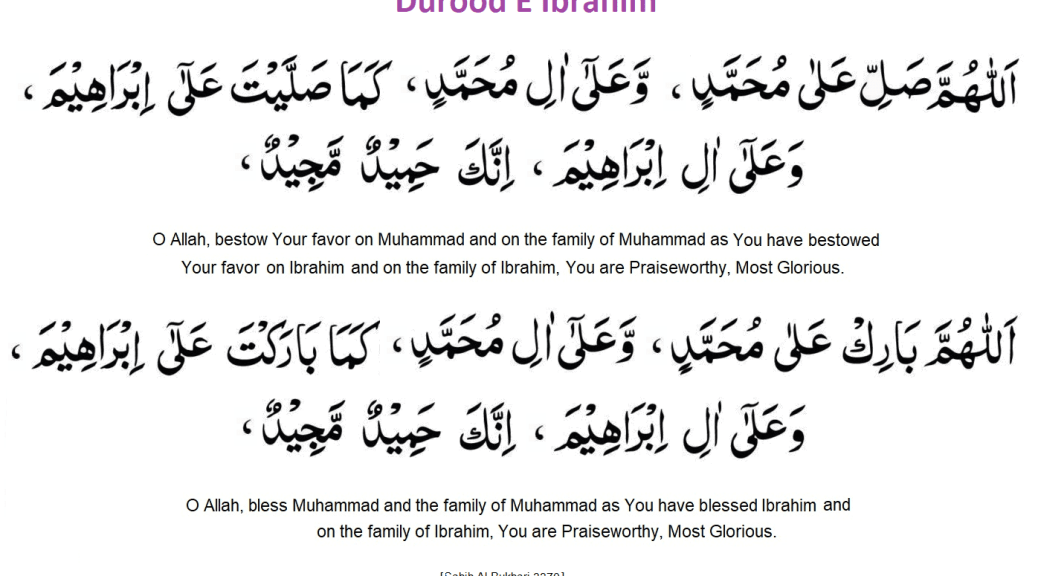
This blog explains the Durood e Ibrahimi, a special prayer recited by Muslims to praise and seek blessings for Prophet Muhammad (P.B.U.H) and his family.

What is a Durood?

  • A Durood is a form of Islamic prayer expressing reverence and seeking blessings for Prophet Muhammad (P.B.U.H).
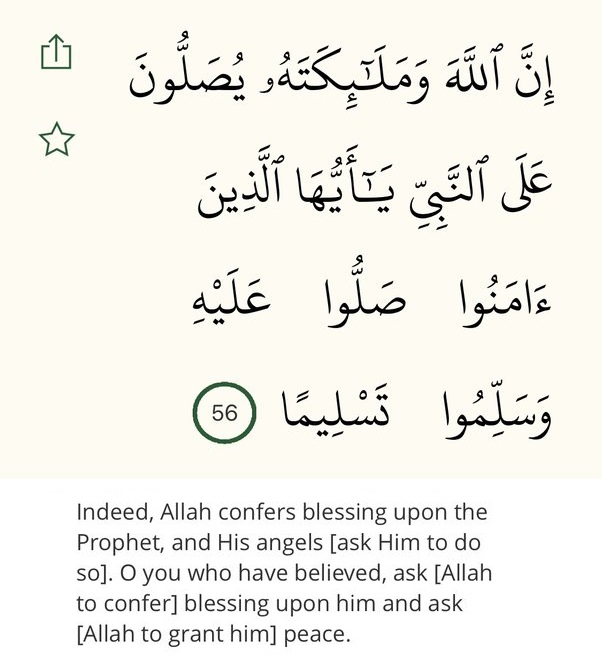
  • The Quran mentions that Allah and the angels send Durood upon the Prophet, and Muslims follow this practice.

Importance of Durood e Ibrahimi

  • This specific Durood is widely recited, including during daily prayers.
  • It asks Allah to shower peace and blessings on Prophet Muhammad (P.B.U.H) and his family, similar to how He blessed Prophet Ibrahim (A.S) and his family.

Benefits of Reciting Durood e Ibrahimi

  • Hadith narrations (sayings of the Prophet) mention several virtues associated with reciting Durood.
  • These include increased closeness to the Prophet (P.B.U.H) on the Day of Judgement, receiving blessings from Allah, and forgiveness of sins.

The Durood e Ibrahimi

  • The passage provides the Durood in Arabic script, Roman English transliteration, and English translation.

This explanation offers a clearer understanding of the Durood e Ibrahimi and its significance in Islamic practice.