Tag Archives: Islam

How to Build a Productive Morning Routine After Fajr (Step-by-Step Guide)

For Muslims around the world, the early hours of the morning hold immense spiritual and practical significance. Prophet Muhammad (PBUH) made a beautiful supplication: “O Allah, bless my Ummah in its early hours.” By leveraging this blessed time, you can set a positive, focused, and spiritually uplifting tone for the rest of your day. However, staying awake and actually utilizing this time can be challenging without a structured plan. This is where learning how to build a productive morning routine after Fajr becomes life-changing.

Whether you are a student, a professional, an entrepreneur, or a homemaker, establishing a productive morning routine after Fajr allows you to conquer your daily goals while nurturing your faith. In this comprehensive step-by-step guide, we will explore exactly how you can design, implement, and sustain a highly effective and productive morning routine after Fajr.

Why a Productive Morning Routine After Fajr is Essential

Before diving into the steps, it is crucial to understand why this specific time of day is so valuable. The hours immediately following the Fajr prayer are often referred to as the “golden hours.” Here are a few reasons why a productive morning routine after Fajr is essential for success:

  • Unmatched Barakah (Blessings): The early morning is filled with divine blessings. Tasks completed during this time often yield better results and take less time.
  • Zero Distractions: The world is still asleep. There are no ringing phones, urgent emails, or social media notifications to disrupt your focus.
  • Spiritual Grounding: Starting your day with prayer and remembrance aligns your intentions and grants you peace of mind.
  • Enhanced Cognitive Function: Scientific studies show that the brain is sharpest and willpower is highest in the early hours of the day, making it the perfect time for deep work.

Preparing the Night Before: The Foundation of Your Routine

A productive morning routine after Fajr actually begins the night before. If you go to bed late, staying awake after Fajr will feel like an impossible task. To ensure success, follow these pre-sleep habits:

  • Sleep Early: Adhere to the Sunnah of sleeping soon after the Isha prayer. Avoid late-night screen time.
  • Set Your Intentions (Niyyah): Make a firm intention to wake up for Fajr and stay awake to be productive.
  • Plan Your Morning: Write down the top three tasks you want to accomplish after Fajr. Having a clear plan prevents aimless wandering in the morning.
  • Prepare Your Environment: Lay out your prayer clothes, place your Quran nearby, and set up your workspace so everything is ready to go.

Step-by-Step Guide to a Productive Morning Routine After Fajr

Creating a productive morning routine after Fajr requires a balance of spiritual, physical, and mental activities. Follow this step-by-step framework to maximize your mornings.

Step 1: Spiritual Nourishment (15-30 Minutes)

Once you have completed your Fajr prayer, resist the urge to immediately jump into work or return to bed. The cornerstone of a productive morning routine after Fajr is spiritual grounding. Spend the first 15 to 30 minutes focusing on your soul.

  • Recite the Morning Adhkar: Engage in the prescribed morning supplications (Dhikr) for protection, provision, and peace.
  • Read the Quran: Even if it is just a few pages or a single Ruku, reciting and reflecting on the Quran brings immense Barakah to your day.
  • Make Dua: Use this quiet time to ask Allah for success in your upcoming daily tasks.

Step 2: Hydration and Physical Wellness (10-15 Minutes)

After prolonged sleep, your body is naturally dehydrated and stiff. Waking your physical body is a critical step in maintaining a productive morning routine after Fajr.

  • Drink Water: Drink a large glass of water, ideally with a squeeze of lemon or a spoonful of honey, to kickstart your metabolism.
  • Light Exercise or Stretching: You do not need to do a full workout right away. A simple 10-minute stretching routine, some light yoga, or a quick walk outside, breathing in the crisp morning air, will increase blood flow and wake up your brain.

Step 3: Mindful Planning and Journaling (5-10 Minutes)

Now that your spirit and body are awake, it is time to engage your mind. A productive morning routine after Fajr thrives on clarity and focus.

  • Review Your Daily Goals: Look at the to-do list you created the night before. Prioritize your tasks using methods like time-blocking or the “Eat the Frog” technique (doing the hardest task first).
  • Journaling: Write down three things you are grateful for (Alhamdulillah). Gratitude shifts your mindset from stress to abundance.

Step 4: Engage in Deep Work or Skill Development (60-90 Minutes)

This is where the magic of a productive morning routine after Fajr truly happens. Because your willpower is at its peak and distractions are at zero, use this time for your most demanding tasks.

  • Professional Work: Tackle complex projects, write reports, or strategize for your business.
  • Studying: If you are a student, use this time to memorize complex material or prepare for upcoming exams.
  • Skill Building: Dedicate this hour to learning a new language, reading an educational book, or taking an online course.

Step 5: A Nutritious Breakfast and Family Time (20-30 Minutes)

Conclude your dedicated, productive morning routine after Fajr by nourishing your body and connecting with your loved ones.

  • Eat a Healthy Breakfast: Consume a balanced breakfast rich in protein, healthy fats, and complex carbohydrates to sustain the energy you have built up.
  • Connect: Spend a few minutes chatting with your family members as they wake up. Starting the day with positive social interactions sets a cheerful mood for everyone.

Common Mistakes to Avoid After Fajr

To successfully maintain a productive morning routine after Fajr, you must be aware of the pitfalls that can derail your progress. Avoid these common mistakes:

  • Going Back to Sleep: Unless you are severely sleep-deprived or unwell, going back to sleep after Fajr induces lethargy. Push through the initial grogginess; it usually fades within 20 minutes.
  • Scrolling on Social Media: Grabbing your phone to check social media or the news floods your brain with dopamine and unnecessary stress. Keep your phone on airplane mode until your deep work session is complete.
  • Overcomplicating the Routine: Do not try to fit a 2-hour workout, 3 hours of studying, and a gourmet breakfast into one morning. Keep your productive morning routine after Fajr simple, realistic, and sustainable.

Conclusion

Building a productive morning routine after Fajr is one of the most powerful habits you can develop to improve your spiritual well-being, mental clarity, and worldly success. By combining spiritual nourishment, physical activation, mindful planning, and focused deep work, you unlock the immense blessings hidden in the early hours of the day. Remember, consistency is more important than perfection. Start small, perhaps by staying awake for just 30 minutes after Fajr initially, and gradually build up your routine. With sincere intention, discipline, and reliance on Allah, your mornings will transform your entire life.

Frequently Asked Questions (FAQs)

What if I feel too tired to stay awake after Fajr?

Feeling tired is completely normal, especially when you are just starting to build a productive morning routine after Fajr. The key is to ensure you are sleeping early enough after Isha. If you still feel groggy, immediately splash cold water on your face, drink a glass of water, and do some light physical stretching. The tiredness usually dissipates within 15 to 20 minutes of movement.

How long should my productive morning routine after Fajr take?

The duration of a productive morning routine after Fajr depends entirely on your schedule. It can be as short as 30 minutes or as long as 2 to 3 hours before you have to leave for work or school. The goal is not the length of time, but the quality of focus and intention you bring to those morning hours.

Can I build a productive morning routine after Fajr if I work late shifts?

If your job requires you to work late shifts, your primary obligation is to pray Fajr on time. If staying awake compromises your health and ability to function safely due to severe sleep deprivation, it is permissible to go back to sleep after praying. You can create a modified “morning” routine for whenever you naturally wake up. Always prioritize your health and tailor the routine to your unique circumstances.

What are the best acts of worship to include after Fajr?

The most highly recommended acts of worship to include in your productive morning routine after Fajr are reciting the daily Morning Adhkar (remembrances), reading the Quran, and remaining seated in your prayer spot until the sun rises to pray the Ishraq (Duha) prayer. The Prophet (PBUH) mentioned that whoever prays Fajr in congregation, sits remembering Allah until sunrise, and then prays two Rakat, will receive the reward of a complete Hajj and Umrah.

The Significance of Eid al-Fitr and Eid al-Adha

Eid al-Fitr and Eid al-Adha are two major Islamic festivals that hold a special place in the religious and cultural lives of Muslims. These occasions not only reflect religious beliefs but also foster brotherhood, love, and unity among Muslims. This article delves into the significance of both Eid celebrations and their religious and social aspects.

The Importance of Eid al-Fitr

Eid al-Fitr is celebrated at the end of the holy month of Ramadan. It is a joyous festival marking the culmination of a month of fasting, worship, and sacrifice.

Religious Importance:

  1. Gratitude: Eid al-Fitr provides an opportunity to express gratitude to Allah for granting Muslims the strength to observe Ramadan.
  2. Zakat al-Fitr: The celebration begins with the payment of Zakat al-Fitr, a form of charity aimed at including the less fortunate in the festivities.
  3. Worship: The day of Eid starts with a special congregational prayer, highlighting the greatness and blessings of Allah.

Social Importance:

  1. Happiness and Joy: Eid al-Fitr is a time to share happiness and spend quality time with family and friends.
  2. Brotherhood: On this day, Muslims greet one another warmly, exchange gifts, and strengthen bonds of brotherhood and unity.

The Importance of Eid al-Adha

Eid al-Adha is celebrated at the conclusion of the Hajj pilgrimage and commemorates the sacrifice of Prophet Ibrahim (AS). On this day, Muslims perform Qurbani (animal sacrifice) as an act of obedience to Allah.

Religious Importance:

  1. Sacrifice: The ritual of Qurbani symbolizes devotion to Allah and reflects the spirit of sacrifice demonstrated by Prophet Ibrahim (AS).
  2. Piety: The primary goal of Qurbani is to attain piety and closeness to Allah, as stated in the Quran: “It is neither their meat nor their blood that reaches Allah, but it is piety from you that reaches Him” (Surah Al-Hajj: 37).
  3. Collective Worship: Muslims gather to perform the special Eid prayer, showcasing unity and solidarity.

Social Importance:

  1. Helping the Needy: The meat from the sacrifice is distributed in three parts—one for the family, one for relatives, and one for the needy. This ensures that everyone can partake in the celebration.
  2. Strengthening Bonds: Eid al-Adha brings families and communities together, fostering love and connection.

Common Aspects of Both Eids

  1. Spiritual Growth: Both Eids provide an opportunity for Muslims to strengthen their relationship with Allah and grow spiritually.
  2. Social Harmony: These festivals bring Muslims together, promoting unity, love, and compassion.
  3. Lesson of Brotherhood: On both occasions, there is a strong emphasis on helping the less fortunate and sharing the joys of life.

Conclusion

Eid al-Fitr and Eid al-Adha are not merely religious observances but also serve as vital opportunities to nurture social harmony, love, and generosity. They remind Muslims to lead lives aligned with the principles of Islam while contributing to the well-being of their communities. By observing these festivals, Muslims can create a society based on mutual respect, kindness, and peace.

The Miraculous Benefits of Surah Yasin: A Quranic Gem

Surah Yasin, a revered chapter in the Quran, holds a special place in the hearts of Muslims worldwide. Often referred to as the “heart of the Quran,” it is believed to possess miraculous benefits that extend to both spiritual and physical well-being.

This article delves into the profound advantages of reciting Surah Yasin and explores the reasons behind its immense popularity.

Spiritual Benefits

  • Inner Peace and Tranquility: Reciting Surah Yasin is said to calm the mind and heart, fostering a sense of inner peace and tranquility. The soothing verses can alleviate anxiety and stress, promoting emotional well-being.
  • Spiritual Upliftment: The profound wisdom and guidance contained within Surah Yasin can uplift the spirit and inspire a deeper connection with God. It serves as a source of inspiration and motivation, helping individuals to overcome challenges and maintain a positive outlook.
  • Divine Guidance: Surah Yasin is believed to impart divine guidance and wisdom. By reciting this chapter, individuals may seek clarity and direction in their lives, making informed decisions and aligning their actions with God’s will.

Physical Benefits

  • Healing and Recovery: Many Muslims believe that reciting Surah Yasin can have a positive impact on physical health. It is said to possess healing properties that can aid in recovery from illnesses and alleviate pain.
  • Protection from Harm: Some believe that Surah Yasin can act as a shield against negative energy and harm. It is often recited for protection from evil forces and to ward off misfortune.
  • Improved Well-being: By promoting inner peace and spiritual well-being, Surah Yasin can indirectly contribute to overall physical health. A calm and balanced mind can lead to better health outcomes and reduced susceptibility to illness.

How to Recite Surah Yasin Effectively

  • Purity of Intention: Approach the recitation with a pure heart and sincere intention to seek divine blessings.
  • Proper Pronunciation: Ensure correct pronunciation of the Arabic words to maximize the benefits.
  • Regular Practice: Make Surah Yasin a part of your daily or weekly routine for consistent spiritual nourishment.

Conclusion

Surah Yasin is a powerful surah for spiritual and physical well-being. Its recitation can bring about inner peace, promote healing, and attract divine blessings.

While individual experiences may vary, countless Muslims have attested to the miraculous benefits of this sacred chapter.

By incorporating Surah Yasin into your spiritual practice, you may discover its profound impact on your life.

Understanding and Sending Blessings: The Durood e Ibrahimi

This blog explains the Durood e Ibrahimi, a special prayer recited by Muslims to praise and seek blessings for Prophet Muhammad (P.B.U.H) and his family.

What is a Durood?

  • A Durood is a form of Islamic prayer expressing reverence and seeking blessings for Prophet Muhammad (P.B.U.H).
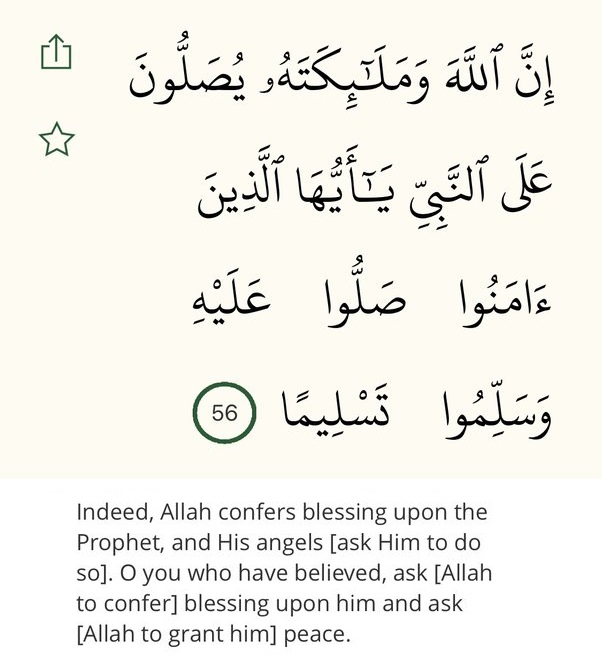
  • The Quran mentions that Allah and the angels send Durood upon the Prophet, and Muslims follow this practice.

Importance of Durood e Ibrahimi

  • This specific Durood is widely recited, including during daily prayers.
  • It asks Allah to shower peace and blessings on Prophet Muhammad (P.B.U.H) and his family, similar to how He blessed Prophet Ibrahim (A.S) and his family.

Benefits of Reciting Durood e Ibrahimi

  • Hadith narrations (sayings of the Prophet) mention several virtues associated with reciting Durood.
  • These include increased closeness to the Prophet (P.B.U.H) on the Day of Judgement, receiving blessings from Allah, and forgiveness of sins.

The Durood e Ibrahimi

  • The passage provides the Durood in Arabic script, Roman English transliteration, and English translation.

This explanation offers a clearer understanding of the Durood e Ibrahimi and its significance in Islamic practice.